Meet Emily Wheeler, the founder of Furnishing Futures
Making healing homes
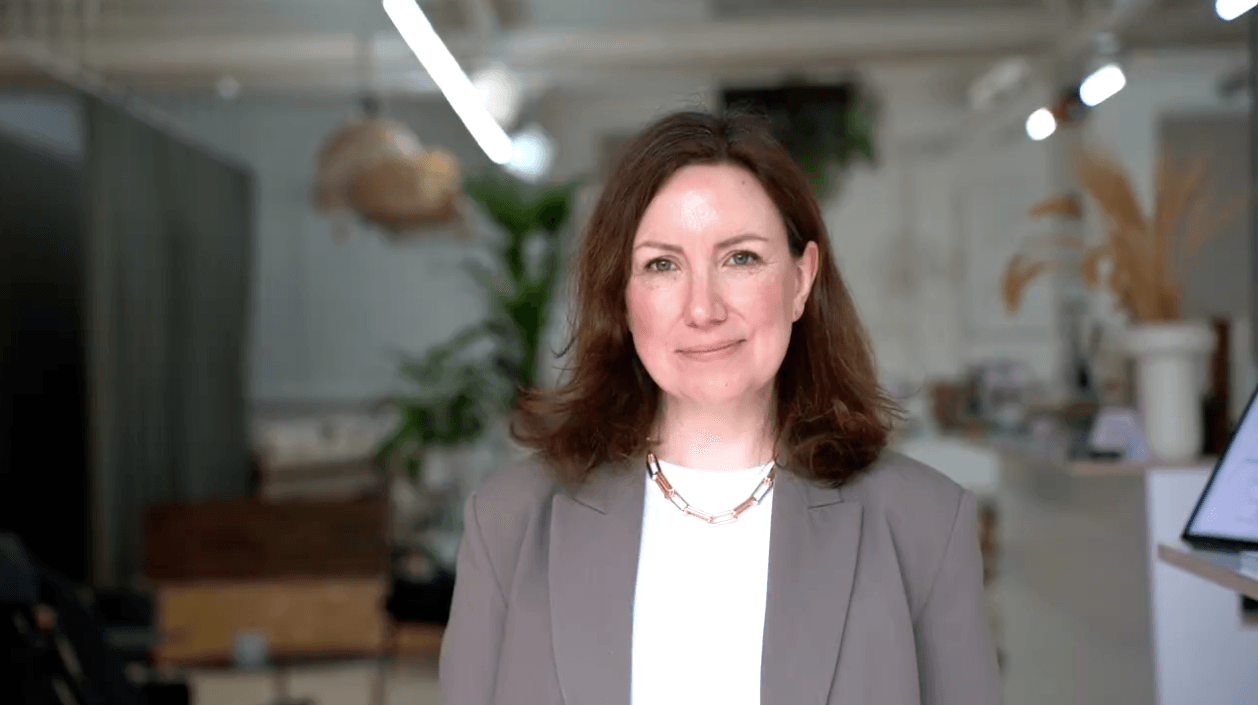
This Women’s History Month, we’re shining a spotlight on a charity close to our hearts. Furnishing Futures creates healing homes for women and children who have escaped domestic abuse and are rehomed in empty social housing. Founded by Emily Wheeler, a former social worker and interior designer, the charity uses waste furniture from the interiors industry to create safe, comfortable and healing homes. We sat down with Emily to find out more about the charity and the women it supports.
What inspired you to found Furnishing Futures?
I founded Furnishing Futures to create healing homes for survivors of domestic abuse. I have a background in social work and I’m also a trained interior designer, and I was meeting a lot of women in my social work job who had fled domestic abuse and dangerous perpetrators and been rehoused in completely empty social housing. They were really struggling to start again and that was really affecting their safety and wellbeing. From talking with them I knew that they really needed a home and they needed to feel listened to and valued, so that’s why I started the charity, to create homes that support women and children’s safety and wellbeing.
What impact does a welcoming home environment have on the women and families Furnishing Futures supports?
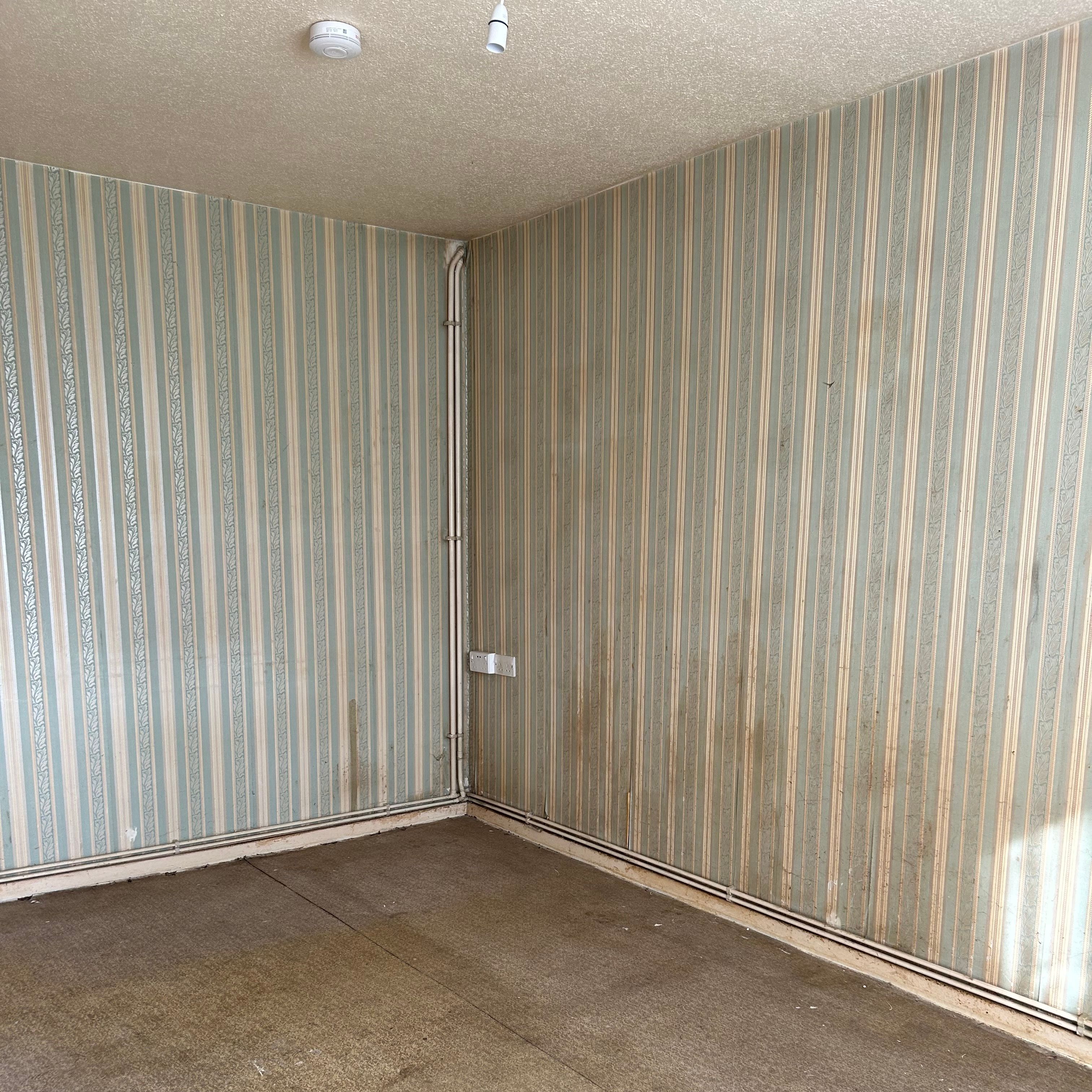
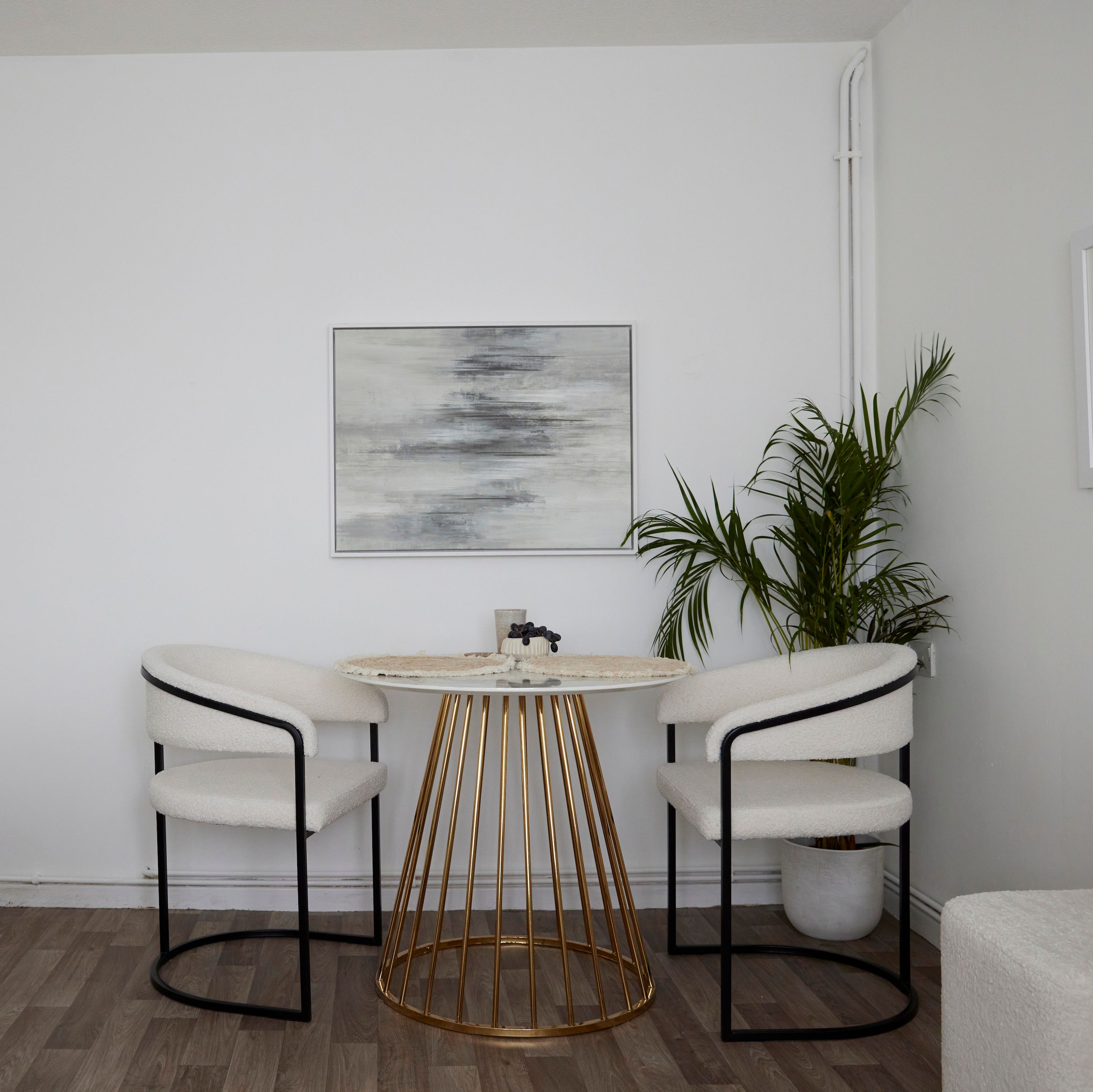
A home is absolutely fundamental to how we move through the world, how we feel about ourselves and how able we are to cope with everything else in our lives. Without having a home that meets your needs, it’s very difficult to thrive and function, and so for the women and children we support who’ve experienced huge trauma and loss, it’s absolutely transformational to have a safe space that meets their needs. It’s really important that they know they can cook a healthy meal for their children, they can put their children in an actual bed at night rather than sleeping just on a blanket on a concrete floor, and when they come through their front door and close it behind them they feel safe. It has an enormous impact on women and children’s safety, on their physical health and their emotional wellbeing, and also eases the financial strain that comes from having to start again from scratch.

What is trauma-informed design?
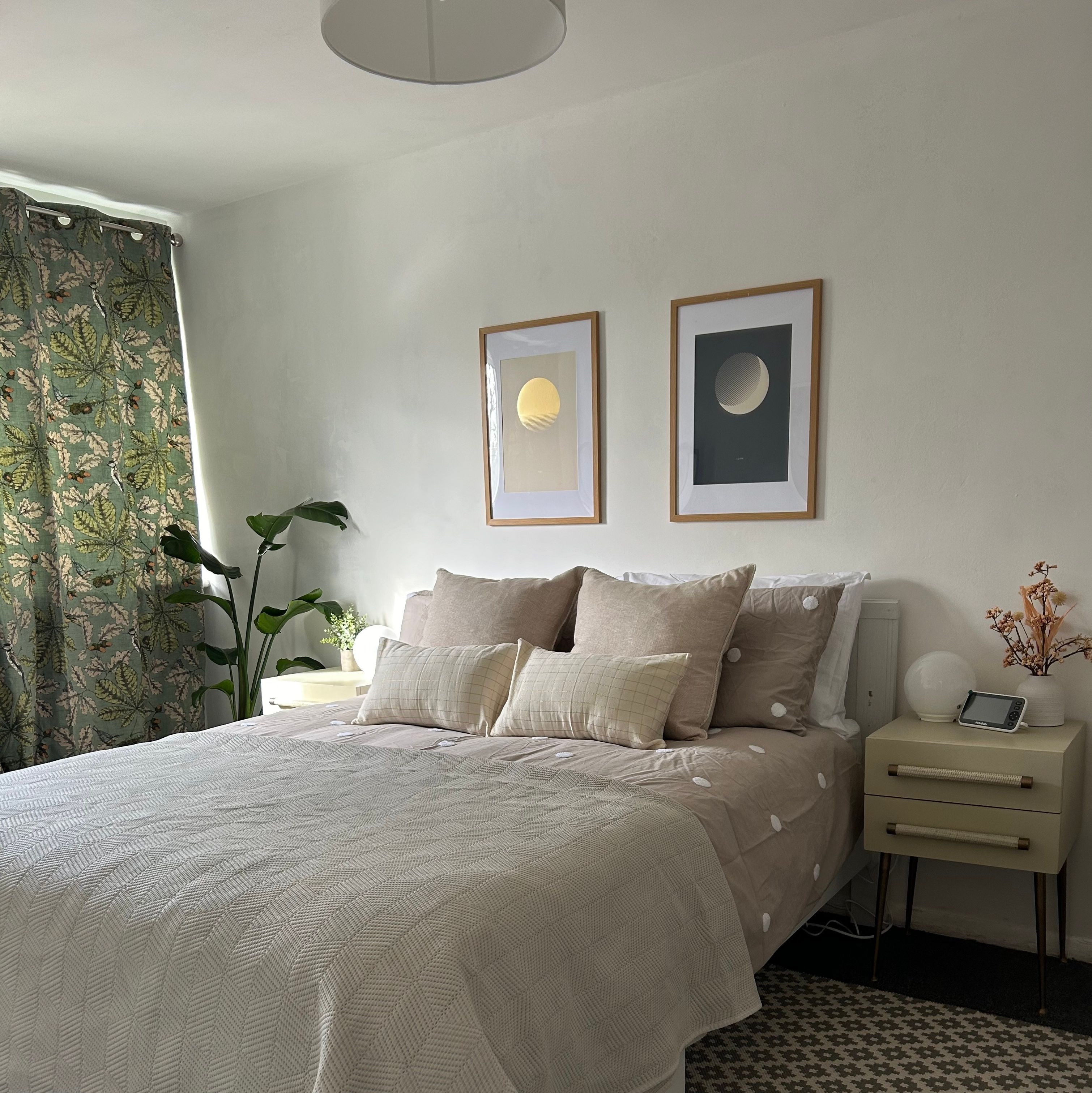
Trauma-informed design means taking into account the trauma that somebody has experienced and how their environment and their lived experience impacts them and their nervous system. We work closely in partnership with the women and children who we support to understand their needs and to consciously design spaces that soothe the nervous system, and won’t trigger a stress response. It often means things like using soothing colours, or avoiding certain colours that might be a trigger for somebody, and using gentle shapes, lots of plants, natural textures, using window coverings where you can see out but somebody else can’t see in, and really paying attention to what will specifically make that person feel safe and relaxed in their home.
Where do you source your furniture and homeware?
We partner with the interiors industry, which donates all of the furniture that goes into the homes, and the furniture is all in new condition but it could otherwise have ended up in landfill. There’s actually a surprising amount of waste in the industry and we repurpose that furniture to create healing homes for survivors. That could be things like products used in press shoots, ex-display showroom stock, deadstock from last season, samples, and we also work with a lot of generous brands who send us furniture because they want to support the work that we do.
How do the women you encounter through Furnishing Futures inspire you?
They inspired the creation of the charity and they inspire us every day. Their courage and resilience is second to none. They show enormous bravery in leaving in the first place, and then having to start again when they’ve lost everything. We keep in touch with almost all of the women who we’ve supported. We make sure all of our work is survivor-led and their lived experiences are at the heart of what we do.
Who have been the most influential female role models in your personal life?
I would say the two most inspirational female role models have been my mum and my step-mum, because they brought me up and they’re both incredibly strong women who have overcome a lot of adversity and a lot of challenges, but with real grace and positivity and hard work. They showed me that anything is possible if you put your mind to it and you work hard enough, and so I think they would be my role models.
How can people support Furnishing Futures?
You can donate to us via our website, some people fundraise for us by doing challenges, and we’re always looking for volunteers at our warehouse in east London. We also recently opened The Atrium, a lovely retail and fundraising space at our headquarters in Leyton, east London, where we sell some of the furniture that’s donated to us. People can come down here, buy something beautiful for their home and know that every penny raised goes directly to supporting survivors who are starting again with nothing. We also hold regular events in The Atrium centred around wellbeing and social justice, such as yoga, sound baths and craft workshops, as well as monthly talks on issues related to our work.
In support of Furnishing Futures
Throughout March 2026, we’ll be donating £1 for every sale of our bestselling Rachel, Rachel in glass and Rachel in pot plants to Furnishing Futures.


Rewild your inbox
Plant tips. Special offers. No spam.
You might like
Rhonda Drakeford on finding joy in your home
Happy-making home décor
How to bring the outside in
Here's a clue: it involves plants
Step inside a biophilic home
Plants aplenty